




 Verify Insurance
 Toll Free Call
Addiction affects the body and mind in a host of different ways, including the disruption of normal sleep patterns. This can create a vicious cycle of insomnia and poor sleep quality, and subsequently using drugs or alcohol to get to sleep, or to be more alert during the day, depending on the drug. This reinforces the cycle of addiction.
It’s important to understand exactly how addiction affects sleep, and the long-term consequences of sleep disturbances.
How Substance Use Affects Sleep
Different substances affect sleep in different ways, but all can lead to some level of sleep disturbance.
Stimulants
Stimulants like cocaine and methamphetamine can affect your ability to fall asleep but also affect the quality of your sleep. Sleep is restless, with frequent waking, so that even after sleeping for several hours, you’ll feel fatigued. This often leads to using stimulants again to stay awake during the day.
With chronic stimulant use, neurotransmitters in the brain that are necessary for sleep are disrupted, so that even after quitting stimulant use, sleep disturbances may continue.
Opioids
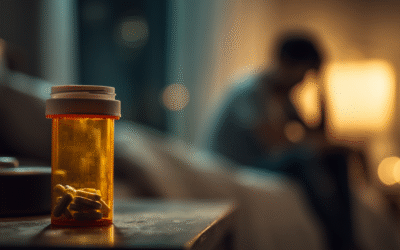
Opioids disrupt the sleep stages, reducing the amounts of REM and deep sleep that you get, resulting in daytime fatigue. Opioid use also increases the risk of sleep apnea, where breathing stops repeatedly during sleep.
The poor sleep that results from chronic opioid use can lead to poor mood regulation and decision making, which can contribute to continued addiction. Additionally, like the effects of stimulants on sleep, sleep disturbances may continue after stopping opioid use.
Depressants
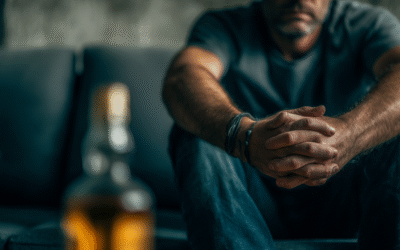
While depressants, including alcohol, are often used to get to sleep, long term use can lead to an inability to fall asleep. Similar to other drugs, depressants impact the quality of sleep by disrupting sleep cycles. The effects of this sleep disruption may include cognitive impairment and the worsening of mental health disorder symptoms, such as anxiety and depression, which can lead to further substance abuse.
Marijuana
Even though marijuana use is legal in many states, it can still be addictive. Some people even use it as a sleep aid, but chronic use can lead to insomnia and sleep disruptions that are similar to those of other drugs.
Withdrawal and Sleep
For many people, sleep issues continue or even worsen during substance withdrawal, along with other withdrawal symptoms. The most common issue is insomnia. This is due to the effects of chronic substance use on your circadian rhythms, and your body’s attempts to correct itself.
During detox in a treatment program, sometimes medications are used to manage insomnia. However, in some programs, other methods that don’t involve medications are encouraged.
These may include meditation and progressive muscle relaxation, caffeine avoidance, exercise, a regular meal schedule, and a regular sleep schedule.
Long-Term Effects of Sleep Disturbances
Over time, sleep disturbances can affect many systems of the body.
- Heart and circulatory issues: Chronic sleep deprivation can bring an Increased risk of high blood pressure, high cholesterol, heart attack, and stroke.
- Immune system: Your immune system can be affected, causing more frequent illnesses and infection.
- Metabolic system: Lack of sleep is associated with a higher risk of type 2 diabetes.
- Nervous system: People who suffer from sleep deprivation have been shown to have a higher sensitivity to pain.
- Brain: Sleep plays a role in learning and memory, so lack of sleep is associated with problems in these areas. Some evidence suggests that sleep deprivation can increase the risk of Alzheimer’s Disease.
- Mental health: People who don’t get enough sleep may suffer from anxiety and depression, which is particularly risky for people who struggle with addiction. Symptoms of anxiety and depression can lead to relapse.
Sleep and Recovery
Getting enough sleep when you’re in recovery is crucial. Sleep helps your mind and body to heal from substance abuse and keeps you functioning well so that you can do the things you need to do to for recovery success. When your mind and body are well, you’re less likely to experience cravings or symptoms like anxiety and depression.
However, many people suffer from sleep disturbances, usually insomnia, even long after substance abuse has stopped. You can follow some tips to help you get your sleep on track.
- Take Care of Yourself
The most important thing to do is to take care of yourself. Exercising regularly can help you to re-establish normal sleep patterns, although you shouldn’t exercise close to bedtime. Eating meals at regular times can also help to keep you balanced. Again, though, don’t eat right before bedtime.
- Cut Screen Time
Stop using your electronic devices at least an hour before your bedtime. The light from the screen can interfere with your body’s melatonin production.
- Chill Out
Do something relaxing before bed like taking a bath or listening to music. Choose whatever activity works best for you.
- Keep It Dark and Quiet
Block out as much light as you can in your bedroom and keep it as quiet as possible. If there is noise you can’t control, such as outdoor noise, try running a fan to block it.
- Stay Cool
Most people sleep better when they are not excessively warm. Keep your thermostat at a level that you find most comfortable.
- Supplements
You might try a cup of chamomile tea before bed, or a melatonin supplement.
Treating Sleep Issues
If you still have sleep disturbances like insomnia, a sleep specialist may be able to help. They may offer one or more methods, and work closely with you to learn them. These may include:
- Mindfulness Meditation: You’ll learn to focus your thoughts only on the present moment, which will relax your mind and body.
- Progressive Muscle Relaxation: This involves learning to consciously relax your muscles progressively throughout your body.
- Biofeedback: You’ll learn to control your stress responses.
- Stimulus Control: This helps you to reassociate your bedroom with going to sleep quickly.
- Bright Light Therapy: You’ll be exposed to bright light during the daytime, which can help to reset normal sleep patterns.
When all else fails, medication may be an option. Medications used that do not have the potential for abuse include ramelteon and doxepin. Trazodone, a sedating antidepressant, is also commonly prescribed for those in recovery.
In Closing
Addiction can cause sleep disturbances that can last beyond treatment and into recovery. However, sleep is critical to your recovery, and you can take action to make sure that you’re getting sufficient sleep.
If you are battling addiction, Bridges of Hope is here to offer compassionate, professional help. Reach out to us today to start your journey to a healthier, happier, life.



 info@bhoperehab.com
 844.449.6392